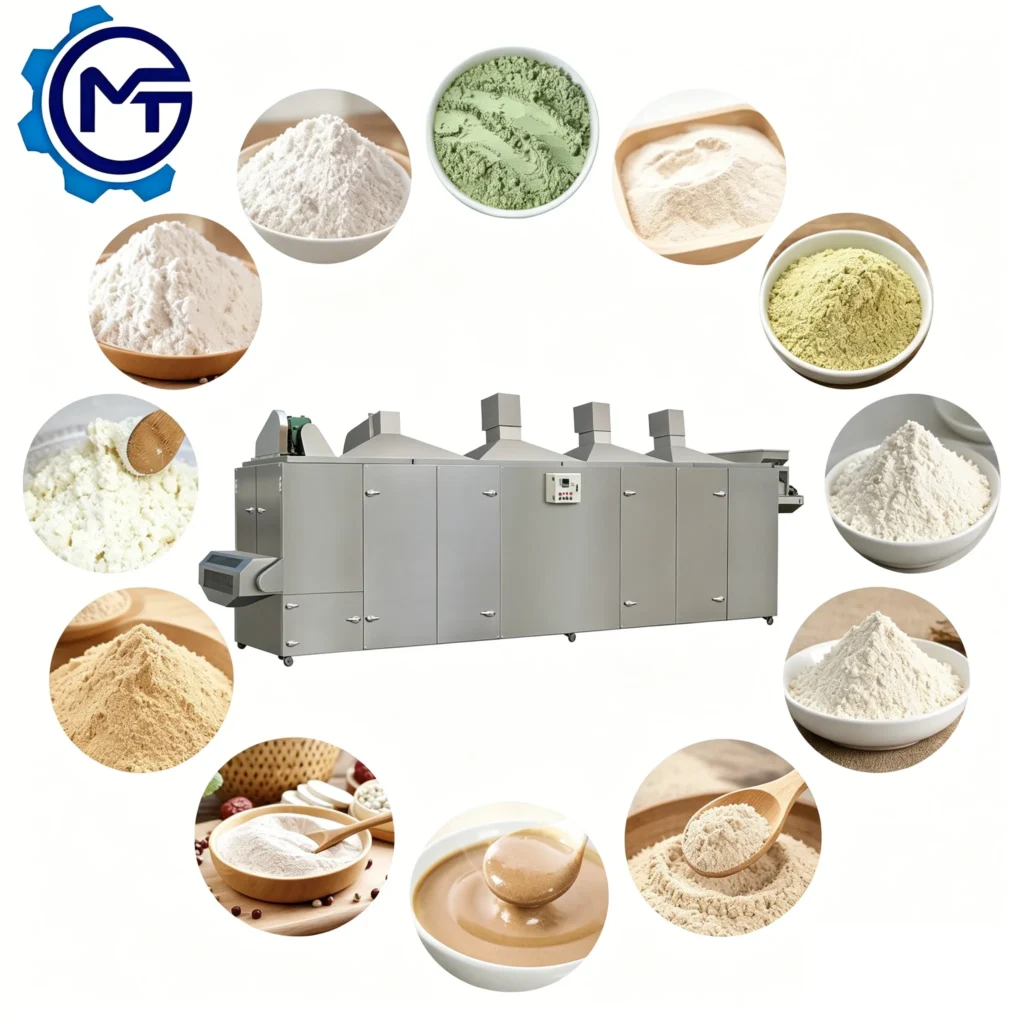
Turnkey Equipment Survey — every station from mixing to packing is listed with its throughput, footprint, and utility requirement so you can see how the nutritional powder processing line fits together before placing an order.
Technical Specifications
| Parameter | Value |
|---|---|
| Product Type | Nutritional Powder Processing Line |
| Output Capacity | 200-500 kg/h (basis not stated in source — confirm raw material and moisture content) |
| Construction Material | Food-Grade 304 Stainless Steel (contact surfaces) |
| Control System | PLC Controlled with Touch Panel and Digital Interface |
| Heat Source Options | Electric / Gas / Steam (selectable per factory utility) |
| Automation Level | Full Automatic |
| Line Configuration | Complete production line including mixers, baking ovens, and supporting stations |
| Standards & Certification | CE, ISO |
| Warranty | 1 Year |
| After-Sales Service | Overseas engineer service available |
Application Suitability
| Application | Material or Output |
|---|---|
| Infant rice powder production | Rice, fortified grain blends for baby food |
| Baby food nutrition powder | Corn, beans, multi-grain formulations |
| Porridge and breakfast powder | Rolled oats, barley, mixed cereal grains |
| Fortified nutritional powder | Vitamin and mineral premixes blended with grain base |
| Custom grain-based baby food | Buyer-supplied recipes across rice, corn, and legumes |
What "Full Automatic" Leaves Unsaid About Line Throughput
Throughput is only meaningful when every station on the nutritional powder processing line full equipment range is matched to the same output target.
Buyers often receive a line quotation that lists a headline capacity figure for the main extruder or mixer, then discover during commissioning that the dryer cannot keep pace or the cooling conveyor creates a backlog. The bottleneck is rarely the most expensive machine — it is usually a supporting station that was specified generically. I have seen lines where a properly sized extruder sat idle for hours because the downstream oven was rated for a different moisture removal profile [NEED_CITE: matching dryer capacity to extruder output in grain processing].
A complete equipment survey forces you to look at every station’s rated throughput, utility draw, and footprint before the line is built. This is the stage where mismatches surface on paper rather than on the factory floor.
Every Station Mapped Before You Commit
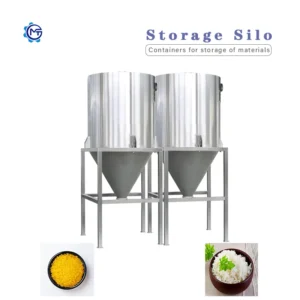
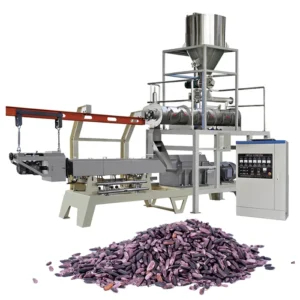
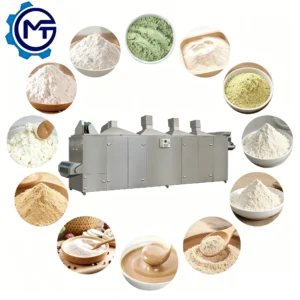
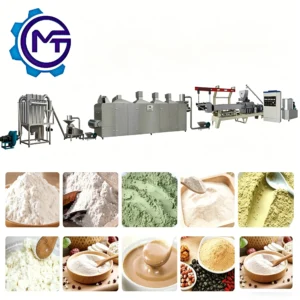
A nutritional powder processing line full equipment range typically covers batching and mixing, extrusion or cooking, drying or baking, milling or grinding, sieving, blending with micro-ingredients, cooling, and final packing. Each station has its own motor rating, heat load, and floor space requirement. When you survey the complete catalogue, you can confirm that the mixer batch size aligns with the extruder feed rate and that the oven belt width matches the output volume. This prevents the common situation where one station runs at half capacity while another is overloaded.
Heat Source Selection Affects More Than Your Utility Bill
The choice between electric, gas, and steam heating on drying and baking stations influences oven design, exhaust ducting, and local code compliance. Electric ovens offer precise zone control and simpler installation but draw significant amperage [NEED_CITE: industrial electric heating load requirements for food processing]. Gas-fired ovens reduce electrical demand but require combustion air supply and flue routing. Steam-heated stations integrate well if your plant already operates a boiler. Confirming the heat source early ensures that the nutritional powder processing line full equipment range arrives configured for your existing utility infrastructure rather than requiring field modifications.
Reading the Specs That Actually Matter for Powder Lines
The PLC touch panel control centralises temperature setpoints, conveyor speeds, and alarm management across the line, which matters when you are running heat-sensitive infant formulations where a few degrees of deviation can affect nutrient retention. Food-grade 304 stainless steel on all product-contact surfaces supports wash-down cleaning and meets hygiene expectations for baby food production [NEED_CITE: food contact material regulations for infant food equipment]. The full automatic configuration reduces manual intervention between stations, but the actual level of automation depends on whether upstream batching and downstream packing are included in the scope. Always request a station-by-station breakdown so you know exactly which operations are automated and which still require operators. The 200-500 kg/h output capacity should be verified against your specific grain blend and target moisture content before treating it as a firm production figure.
The Cost of Skipping the Equipment Survey
When buyers specify only the main extruder or oven and source supporting stations separately, throughput mismatches appear during commissioning. A mixer that batches too slowly starves the extruder, while an undersized cooler forces the packing station to stop and wait. These imbalances are not always visible in individual machine quotations because each vendor quotes their own equipment in isolation [NEED_CITE: consequences of unmatched station throughput in food processing lines]. The result is a line that never reaches its nameplate capacity and requires costly retrofits to correct.
Why Source the Full Range From One Supplier
Sourcing the nutritional powder processing line full equipment range from a single supplier means throughput calculations are performed across every station before the line is built, not after installation reveals a bottleneck. Screw and die configurations — where extrusion is part of the process — are matched to your grain recipe and target powder texture rather than copied from a generic build. An in-house testing workshop allows trial runs on your actual raw material before shipment, so product development begins before the line arrives rather than after. Pre-sales engineering covers line layout and utility planning, and on-site commissioning includes operator training specific to your control system and product range. Documentation packages include electrical schematics with confirmed voltage for your market, eliminating delays caused by incompatible power configurations.
Documentation & Verification
- Line layout drawing showing station placement and throughput matching for your powder formulation
- Machine specification sheet for every station covering dimensions, motor ratings, and utility requirements
- Electrical schematic with voltage and frequency confirmed against your factory supply
- Screw and die configuration record matched to your grain blend where extrusion is used
- Factory test record from trial run on your raw material before dispatch
- CE declaration of conformity and ISO certificate for the complete line
Installation, Commissioning & Support
- Foundation and floor space plan accounting for the full line footprint including oven and cooling conveyor lengths
- Dedicated electrical circuit planning based on the combined PLC panel and heating element load
- Modular station delivery with on-site assembly sequence to match your factory access constraints
- First-run parameter setting on the PLC touch panel for your specific infant powder recipe
- Operator training covering daily start-up, cleaning of 304 stainless steel contact surfaces, and alarm response
- Wear parts list with recommended spare stock for screens, mixer blades, and conveyor belts
What to Share With Your Inquiry
To receive a line configuration that matches your production target, provide the grain types and blend ratios you plan to process, your target daily output, and the final powder particle size specification. Include your factory voltage and frequency, available heat source, and the floor area allocated for the line. If you have existing upstream or downstream equipment that the new nutritional powder processing line must integrate with, share those machine specifications as well.
Frequently Asked Questions
Q: What machines are included in a complete nutritional powder processing line and where does each station fit?
A: A full line typically covers batching mixers, extruders or cookers, drying ovens, milling and sieving stations, micro-ingredient blenders, coolers, and packing machines. Each station is sequenced so output from one feeds directly into the next. The exact configuration depends on your grain recipe and target powder specification. Requesting a station-by-station layout drawing clarifies the sequence and throughput matching before you commit.
Q: How do I match dryer, mixer, and cooling capacity to the extruder output to avoid bottlenecks?
A: Compare each station’s rated throughput against the extruder output at your specific raw material and moisture content, not the generic nameplate figure. Dryer capacity should account for the moisture removal load, while the cooler must handle the full output volume within your target temperature range. Ask for a capacity calculation sheet that lists every station’s throughput under your actual processing conditions.
Q: What heat source options are available and how do I choose for my factory environment?
A: The line supports electric, gas, and steam heating for drying and baking stations. Electric heating offers precise temperature zones but requires substantial amperage. Gas reduces electrical demand but needs combustion air and exhaust routing. Steam integrates well if your plant already runs a boiler. Confirm your available utilities and local codes early so the equipment arrives configured correctly.
Q: Which food-grade materials are used in product-contact surfaces and how does this affect hygiene compliance?
A: Product-contact surfaces are built from food-grade 304 stainless steel, which withstands wash-down cleaning and resists corrosion from grain processing residues. This material choice supports the hygiene standards expected in infant and baby food production. Regular cleaning protocols are simplified because stainless steel does not harbour bacteria or absorb moisture between production runs.
Q: What supporting equipment should I survey before specifying the full line?
A: Beyond the main processing stations, consider conveying systems between stations, dust collection at milling and sieving points, flavouring or fortification blenders, and final packing equipment. Each supporting item has its own footprint, power draw, and throughput requirement. Surveying these together with the core line prevents integration gaps that typically surface only during commissioning.