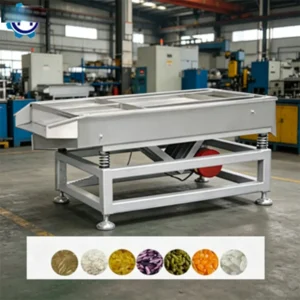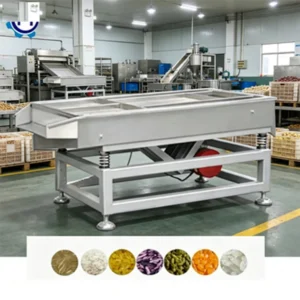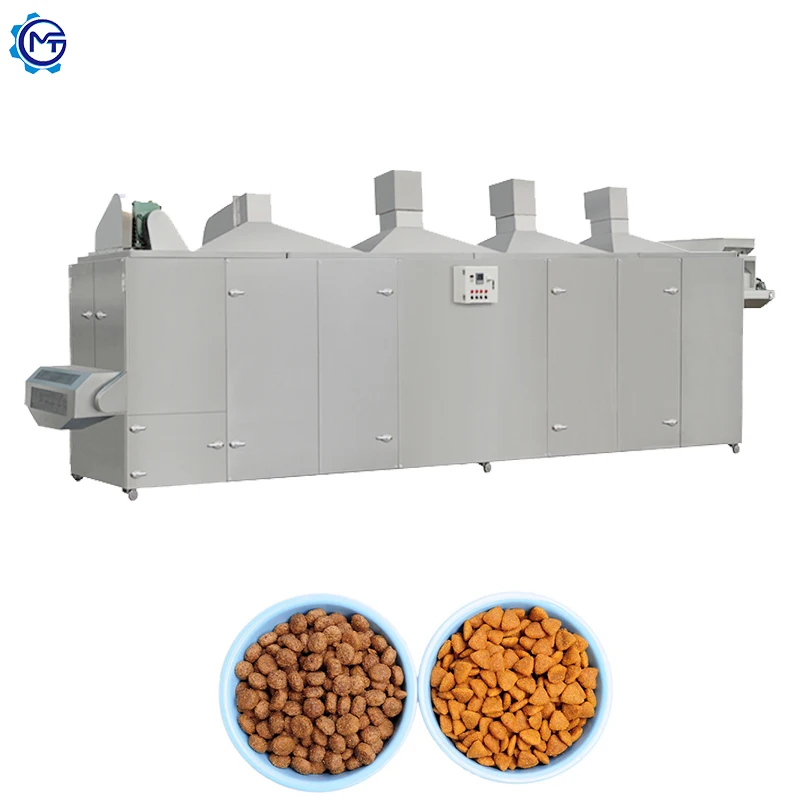
Matching Every Station to the Extruder — A pet food extrusion line only runs as fast as its weakest supporting station, so this equipment range is sized from mixing through packing to prevent bottlenecks at the dryer or coater.
Technical Specifications
| Parameter | Value |
|---|---|
| Product Type | Pet Food Extrusion Production Line |
| Output Capacity | Up to 3 tons per hour (basis not stated in source — confirm raw material formulation, moisture content, and pellet size) |
| Applications | Dry dog food, cat food, and aquatic feed production |
| Screw Type | Configurable to single or twin-screw based on formulation and target density |
| Control System | Available with PLC or MCC control, language configurable to destination market |
| Voltage & Frequency | Configurable to target market grid specifications before production |
| Process Documentation | Fish feed process drawing included for aquatic feed configurations |
| Warranty | 1-year comprehensive warranty across the full equipment range |
Application Suitability
| Application | Material or Output |
|---|---|
| Dry dog and cat kibble | Corn, meat meal, poultry by-products, and grain blends formulated to target kibble density and texture |
| Floating and sinking aquatic feed | Fish meal, soy protein, and starch binders processed to controlled buoyancy specifications |
| Multi-species feed facilities | Shared extrusion platform reconfigured across species lines through screw and die changes |
Why "3 Tons per Hour" Means Nothing Without the Recipe
The rated capacity of any pet food making machine full equipment range only holds true when tested on the buyer’s actual raw material formulation.
I once watched a twin-screw extruder run beautifully on standard corn grits during a factory acceptance test, producing uniform kibble with excellent expansion. Three months later, the buyer switched to a high-fresh-meat recipe, and the same machine collapsed the output into dense, unexpanded dough. The problem was not the extruder itself — it was the assumption that a capacity figure derived from one formulation would transfer directly to another [NEED_CITE: extruder throughput validation on buyer-specific formulations]. When buyers evaluate a pet food extruder manufacturer, the first question should never be about maximum output; it should be about what the machine actually produces on the recipe that will run on their shop floor.
Every Supporting Station Sized to the Extruder Output
A complete pet food making machine full equipment range is only as reliable as its weakest link. The mixer must deliver batches at the rate the extruder consumes them; the dryer must remove moisture fast enough to prevent the coating drum from receiving wet kibble that clumps the seasoning powder. Each station in this catalogue is specified against the extruder’s throughput curve, so buyers surveying equipment can see exactly where each machine fits before committing to a full line configuration.
How Screw Configuration Changes the Product, Not Just the Output
The extruder sits at the centre of any kibble line, but the screw profile and die geometry determine whether the output floats, sinks, crunches, or dissolves. A twin-screw configuration handles high-moisture, high-fat recipes that a single-screw design simply cannot process without surging or stalling. Barrel zone count and temperature profiling allow operators to manage starch gelatinisation stage by stage, which directly controls expansion ratio and final pellet density [NEED_CITE: twin-screw barrel zone temperature profiling for starch gelatinisation]. Die selection then locks in the kibble shape, size, and surface texture that the target market expects.
Reading the Specifications Beyond the Headline Numbers
When buyers compare extruders on paper, output capacity and motor power are the first two columns they scan, but the specifications that actually govern daily production quality live further down the table. Voltage and frequency must match the destination grid precisely; a 50 Hz motor running on a 60 Hz supply will overspeed and overheat, while the reverse starves the barrel of torque. Control system language is another detail that delays commissioning for weeks if not confirmed before the PLC is programmed. The warranty coverage across every station — not just the extruder — determines what happens when a dryer belt or coating drum bearing needs replacement in the first year of operation. Process drawings, particularly for aquatic feed lines, give buyers a visual reference for how the mixer, extruder, dryer, and coater connect before any metal is cut.
The Cost of Mismatched Stations Down the Line
An extruder running at full capacity means nothing if the dryer cannot keep up, forcing the operator to throttle the entire line back to the dryer’s limit. I have seen coating drums receive kibble that was still too warm from an undersized cooler, causing the fat and flavour slurry to melt into the seasoning rather than adhering to the pellet surface. These mismatches do not show up in a quotation comparison — they surface three months after installation when the buyer realises the line will never hit the throughput they paid for [NEED_CITE: throughput bottleneck analysis in multi-station extrusion lines]. The hidden cost is not a single machine; it is the production capacity left on the table every shift.
Why Buyers Specify Their Full Range Here
Every station from the batching system to the packing conveyor is supplied under one configuration, so throughput matching is calculated before the line is built rather than discovered during commissioning. Screw and die combinations are specified against the buyer’s raw material recipe and target kibble density, not copied from a generic build. The in-house testing workshop runs trial production on the buyer’s actual formulation before the machines leave the factory, catching expansion or texture problems before they become the buyer’s problem. Electrical schematics, voltage confirmation, and PLC language are locked in during the specification phase, eliminating the most common causes of delayed start-up. Wear parts lists for screws, dies, and seals are provided with the first shipment, so the buyer is not searching for replacements when the first scheduled changeover arrives.
Documentation & Verification
- Line layout drawing showing throughput matching between extruder, dryer, and coating stations
- Screw and die configuration record matched to your specific kibble density and shape requirements
- Trial run report produced on your raw material formulation before factory dispatch
- Electrical schematic with voltage, frequency, and PLC language confirmed for your destination market
- Fish feed process drawing included for aquatic feed line configurations
Installation, Commissioning & Support
- Foundation and utility planning based on the full line footprint and extruder motor power draw
- Voltage and frequency verified against the destination grid before the control cabinet is wired
- Extruder barrel and screw assembly inspected on site with die alignment checked before first run
- PLC interface configured to operator language during commissioning, not after the line is running
- Dryer belt tension and coating drum speed calibrated to match extruder output rate on your recipe
- Wear parts list for screws, dies, and seals supplied with documentation for scheduled replacements
What to Include in Your First Inquiry
Before a line configuration can be proposed, we need to know your target product format — kibble shape, size, and whether the recipe is dry, semi-moist, or high-fresh-meat. Your local voltage, frequency, and preferred PLC language should be confirmed early so the control cabinet is built correctly the first time. If you have an existing mixer or packing station that will remain in the line, share the model and throughput so the new equipment is matched to it.
Frequently Asked Questions
Q: How is the output capacity verified, and what formulation is it based on?
A: The stated capacity of up to 3 tons per hour has not been tied to a specific raw material formulation or pellet format in the source documentation. Buyers should request a trial run report generated on their own recipe to confirm actual throughput before the line is accepted.
Q: Which supporting stations are included, and are they throughput-matched?
A: The full equipment range covers mixing, extrusion, drying, coating, cooling, and packing stations. Each station is specified against the extruder’s output curve so that no single machine bottlenecks the line. Buyers should request the line layout drawing to verify matching before ordering.
Q: Is the extruder single-screw or twin-screw, and how does that affect the product?
A: The extruder type is configurable based on the buyer’s formulation and target kibble density. Twin-screw configurations handle high-fat and high-moisture recipes that single-screw designs cannot process without surging. Screw and die selection are confirmed during the specification phase.
Q: What voltage, frequency, and control language options are available?
A: Voltage and frequency are confirmed against the destination market grid before production begins. The PLC interface language is configured during the specification phase so operators can use the system immediately upon commissioning without translation delays.
Q: Can a trial run be performed on my raw material before shipment?
A: Yes. The in-house testing workshop runs trial production on the buyer’s actual formulation before the machines are packed for shipment. The trial run report documents expansion, texture, and density results, allowing recipe adjustments before the line reaches the buyer’s facility.