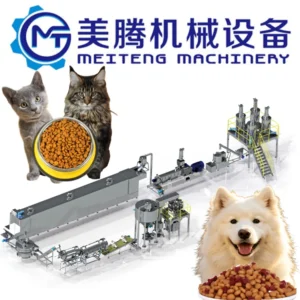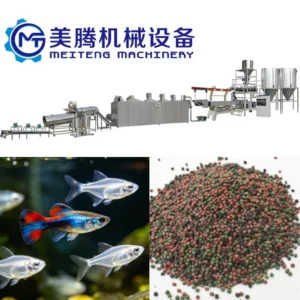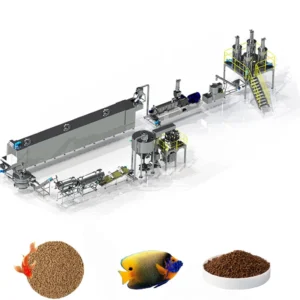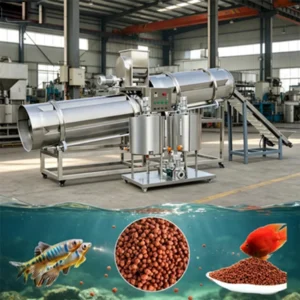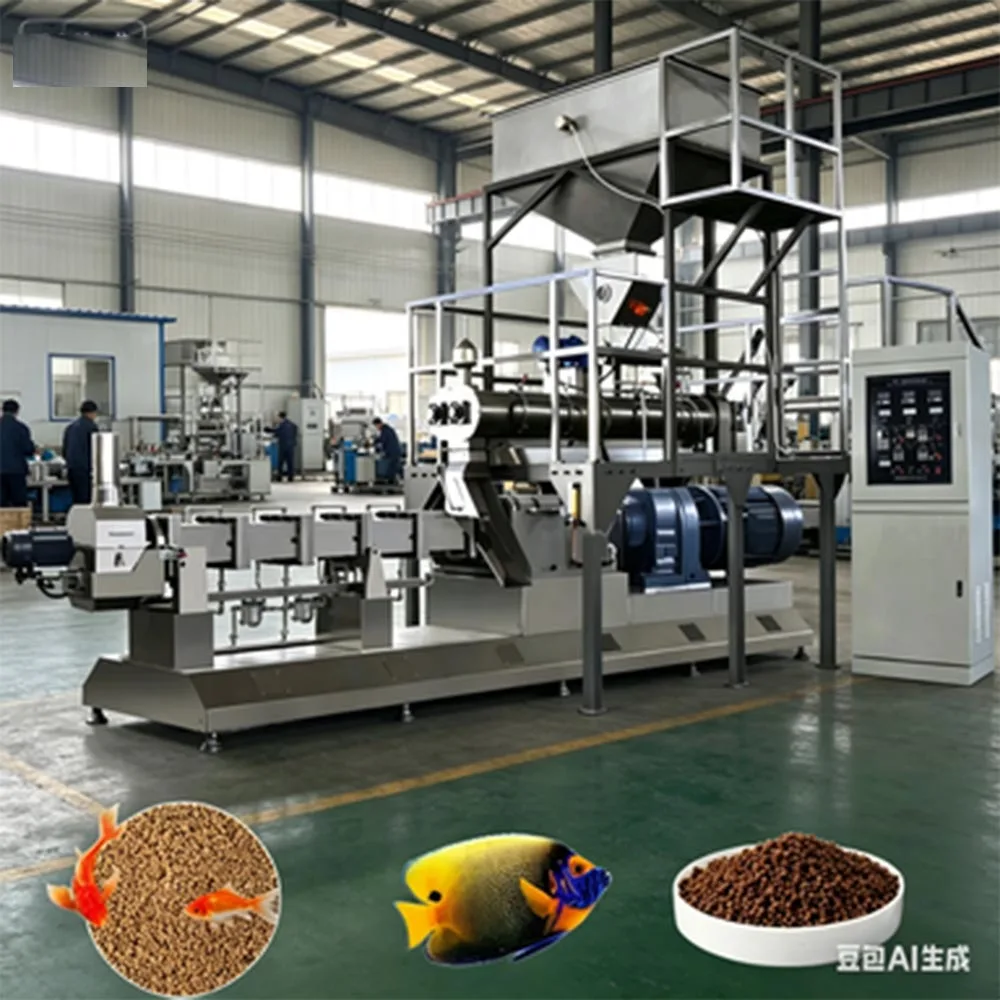
Matched Line Throughput — dryer capacity specified to align with upstream extruder output and downstream seasoning rates, avoiding the bottleneck of standalone equipment purchases.
Technical Specifications
| Parameter | Value |
|---|---|
| Product Type | Multi-Layer Automatic Fish Feed Pellet Dryer / Drying Oven Equipment |
| Equipment Type | Multi-Layer Automatic Drying Oven |
| Material | Food-grade 304 Stainless Steel (machine body and material contact parts) |
| Control System | PLC Automatic Control |
| Heating System | Optimized energy-saving heating system (rated power basis not stated in source) |
| Voltage & Frequency | Configurable per destination market (basis to be confirmed before commissioning) |
| Operating Mode | Continuous automatic production |
| Line Integration | Complete matched configuration (mixer, extruder, dryer, seasoning/coating, vibrating sieve, conveyor) |
| Maintenance Design | Humanized operation interface, quick replacement of vulnerable parts |
| Corrosion Resistance | Anti-corrosion and anti-rust performance |
| Certification | CE, ISO |
Application Suitability
| Application | Material or Output |
|---|---|
| Floating fish feed pellets for koi, goldfish, tropical fish | Fish meal, soybean meal, corn powder, compound additives |
| Sinking aquatic feed pellets for catfish, tilapia, shrimp | High-protein formulations with varied moisture migration rates |
| Medium to large scale industrial fish feed mass production | Continuous long-time uninterrupted drying operation |
| Complete feed line drying stage | Matched throughput between extrusion and seasoning stations |
Why Dryer Sizing Decides Whether Your Line Actually Hits Capacity
A dryer that cannot keep pace with extruder output turns a rated production line into a bottleneck.
I once stood in a Shandong pet food workshop watching a brand-new extruder push out kibble faster than the downstream dryer could handle. The factory owner had sourced the extruder and dryer from different vendors, each quoting nominal capacity on their own equipment. The multi-layer mesh belt dryer looked adequate on paper, but the actual formulation carried high protein content and slow moisture migration. Pellets came out with a hard shell and a wet core, and the entire batch was scrapped. That is the real cost of treating a multi layer fish feed pellet dryer as an afterthought rather than a matched station [NEED_CITE: moisture migration behavior in high-protein extruded pellets]. When the drying oven runs behind, the extruder must be throttled down, or wet pellets pile up on the conveyor waiting for oven space. Neither outcome protects your throughput target.
How Throughput Matching Works Across the Full Line
Every station in an automatic drying oven equipment for feed production line setup must handle the same mass flow rate, adjusted for moisture loss at each stage. The extruder discharges pellets at a certain moisture content and temperature. The dryer must remove enough water to bring pellets to safe storage levels within a fixed residence time. If the seasoning drum or vibrating sieve downstream runs slower than the dryer output, pellets accumulate and cool unevenly, affecting coating adhesion. Sizing each station to the same hourly throughput, with margin for formulation changes, is how a complete line avoids the stop-and-go pattern that destroys pellet consistency.
The Difference Between Nominal Capacity and Real-World Drying Performance
Equipment datasheets often list a dryer’s capacity based on a standard test material under controlled conditions. Actual aquatic feed formulations vary widely in protein ratio, fat content, pellet diameter, and initial moisture. A floating koi feed pellet with high starch content dries differently from a sinking shrimp feed pellet loaded with fish meal. The multi layer fish feed pellet dryer must be specified with the buyer’s actual formulation in mind, not a generic benchmark. That means confirming belt speed, zone temperature profile, and air circulation rate against the specific moisture curve of the target pellet before the machine is built [NEED_CITE: industrial drying curve variation by feed formulation].
Reading the Specs That Actually Matter
Food-grade 304 stainless steel across the machine body and all material contact parts matters for aquatic feed production because salt, fish meal residues, and steam condensate accelerate corrosion in carbon steel chambers. A corroded dryer wall sheds scale onto pellets and shortens equipment life in a humid processing environment. The PLC automatic control system governs zone temperatures, belt speed, and exhaust fan rates across multiple drying layers simultaneously, which is what maintains consistent final moisture when pellet size or formulation shifts between production runs. The optimized energy-saving heating system reduces heat loss across the multi-layer structure, where each successive belt pass recovers residual warmth from the layer above. The humanized operation interface allows operators to adjust drying parameters without stopping the line, and the quick-replacement design for vulnerable parts like belt segments and heating elements keeps scheduled maintenance within a single shift window.
What Happens When the Dryer Is Undersized or Misconfigured
An undersized automatic drying oven equipment for feed production line forces the extruder to idle while pellets queue on the infeed conveyor, which cools them below the temperature window where surface moisture evaporates efficiently. The result is a longer required residence time that the dryer belt length cannot provide. Pellets exit with surface case-hardening over a moist interior, inviting mold growth during bagging and storage. Producers who discover this mismatch after installation face a choice between replacing the dryer entirely or accepting a permanent reduction in line throughput. Neither option is cheap, and both could have been avoided by confirming dryer capacity against extruder output during the line configuration stage [NEED_CITE: post-installation equipment mismatch costs in feed manufacturing].
Why This Dryer Is Specified as Part of a Matched Line
The multi layer fish feed pellet dryer is quoted within a complete production configuration where mixer, extruder, dryer, seasoning drum, vibrating sieve, and conveyor are sized together under one supplier responsibility. Throughput at every station is calculated from the same target output and the same raw material data, so no single machine becomes the limiting factor. Screw configuration and die design on the upstream extruder are matched to the same formulation that the dryer must handle, which means moisture content entering the oven is predictable. An in-house testing workshop runs trial batches on the buyer’s actual raw material before shipment, generating a drying curve that informs belt speed and zone temperature settings. Factory test records document the matched throughput across all stations, not just the dryer in isolation. CE and ISO certification applies to the integrated line configuration, not individual machines assembled from separate vendors.
Documentation & Verification
- Line layout drawing showing dryer position and throughput match to extruder and seasoning stations
- Machine specification sheet with confirmed voltage, frequency, and control language for destination market
- Factory test record from in-house workshop using buyer’s actual aquatic feed raw material
- Screw and die configuration record linked to the formulation the dryer was sized for
- Wear parts list covering dryer belt segments, heating elements, and fan assemblies
- CE declaration of conformity and ISO certificate for the complete line configuration
Installation, Commissioning & Support
- Foundation plan accounting for dryer footprint, multi-layer height clearance, and exhaust duct routing
- Dedicated electrical circuit matching confirmed voltage and frequency for the PLC control panel
- Modular assembly sequence for multi-layer belt installation and heating element wiring on site
- First-run parameter setting using factory trial data as the baseline for zone temperatures and belt speed
- Operator training on PLC interface adjustments for formulation changes between floating and sinking feed runs
- Scheduled wear parts inventory with belt segments and heating elements available for first replacement cycle
What to Include With Your Inquiry
To configure the right automatic drying oven equipment for feed production line integration, share your target pellet type, raw material formulation with approximate protein and moisture content, and the hourly throughput your extruder is expected to deliver. Confirm your facility voltage, frequency, and preferred control language. If you have existing upstream or downstream equipment, provide model and capacity details so the dryer can be matched to your actual line rather than a theoretical layout.
Frequently Asked Questions
Q: How is dryer capacity matched to extruder output to avoid line bottlenecks?
A: The multi layer fish feed pellet dryer is specified after confirming extruder discharge rate, pellet moisture content at the die, and target final moisture. Belt length, layer count, and zone temperature profile are then calculated so the dryer handles the full extruder output continuously without pellet queuing or throughput reduction.
Q: What voltage, frequency, and control language options are confirmed before shipment?
A: Voltage and frequency are confirmed to match the buyer’s facility supply before production begins. The PLC control interface language is set according to operator preference. These details are documented in the machine specification sheet and verified during the factory test prior to dispatch.
Q: Which vulnerable parts require regular replacement and how are spares handled?
A: Dryer belt segments, heating elements, and exhaust fan bearings are the primary wear items. A wear parts list is provided with the line documentation, and replacement components are available for the first maintenance cycle. Quick-replacement design allows belt segment changes within a standard shift window.
Q: Can a trial run be conducted on our specific raw material before delivery?
A: Yes. The in-house testing workshop runs the buyer’s actual aquatic feed formulation through the matched line, including the multi layer fish feed pellet dryer. The trial generates a drying curve and confirms final pellet moisture, and the results are documented in a factory test record shared before shipment.
Q: What is the footprint and utility requirement for integrating this dryer into a feed line?
A: Footprint depends on layer count, belt width, and the throughput matched to your extruder. Utility requirements include confirmed electrical supply for the heating system and PLC panel, exhaust ventilation routing, and floor loading for the stainless steel frame. A line layout drawing is provided during the proposal stage.